Beautiful Botanicals – Plum
The Fruit With A Stone At Its Heart

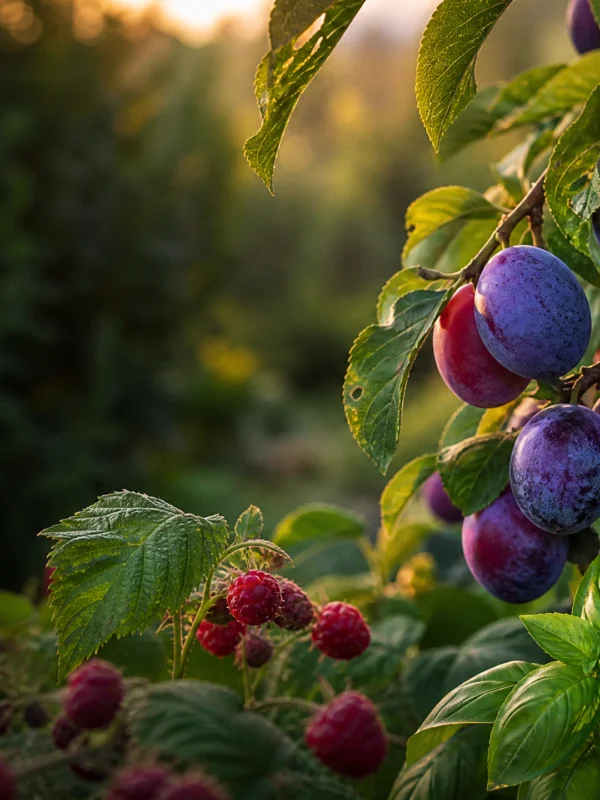
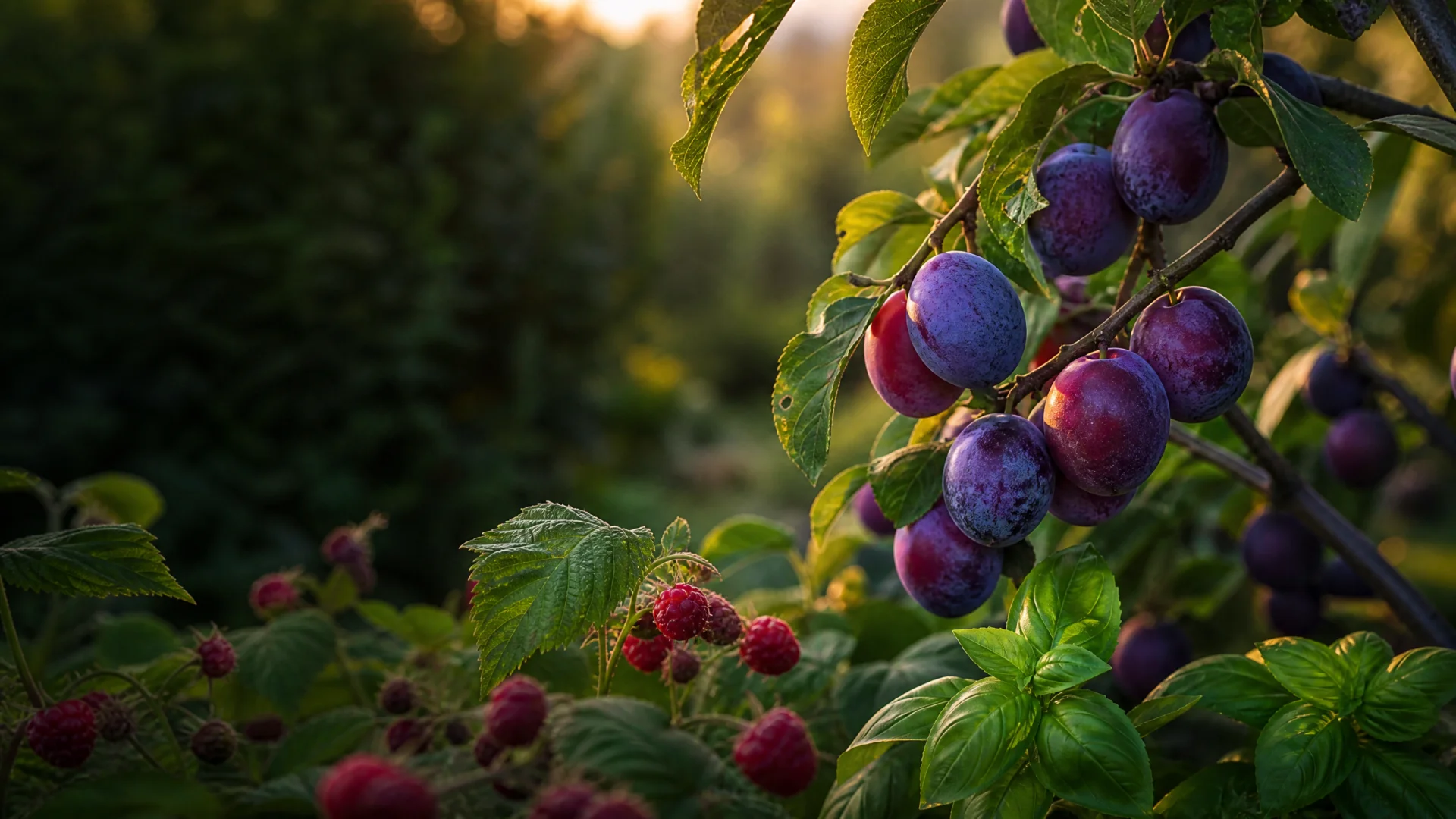
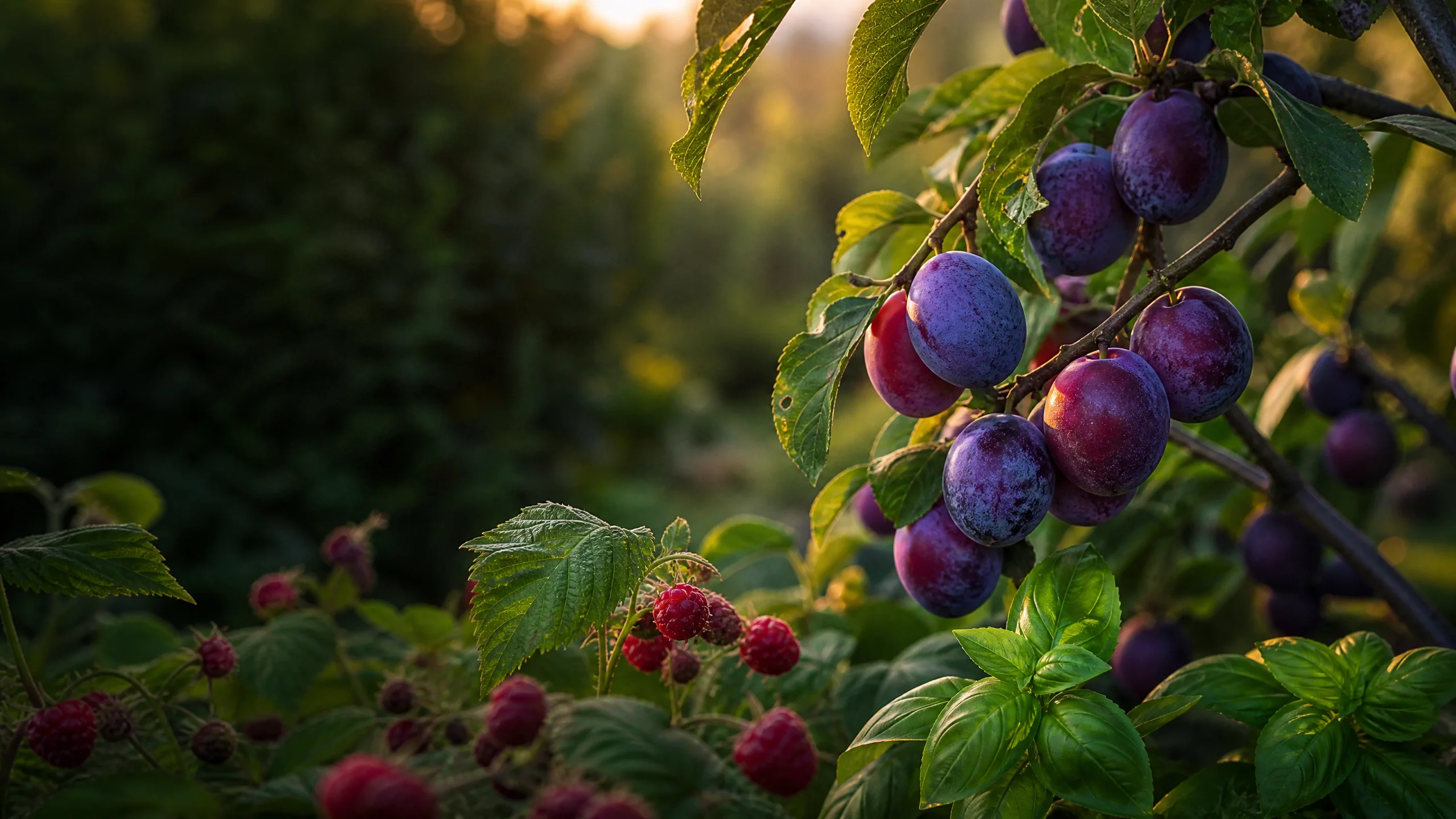
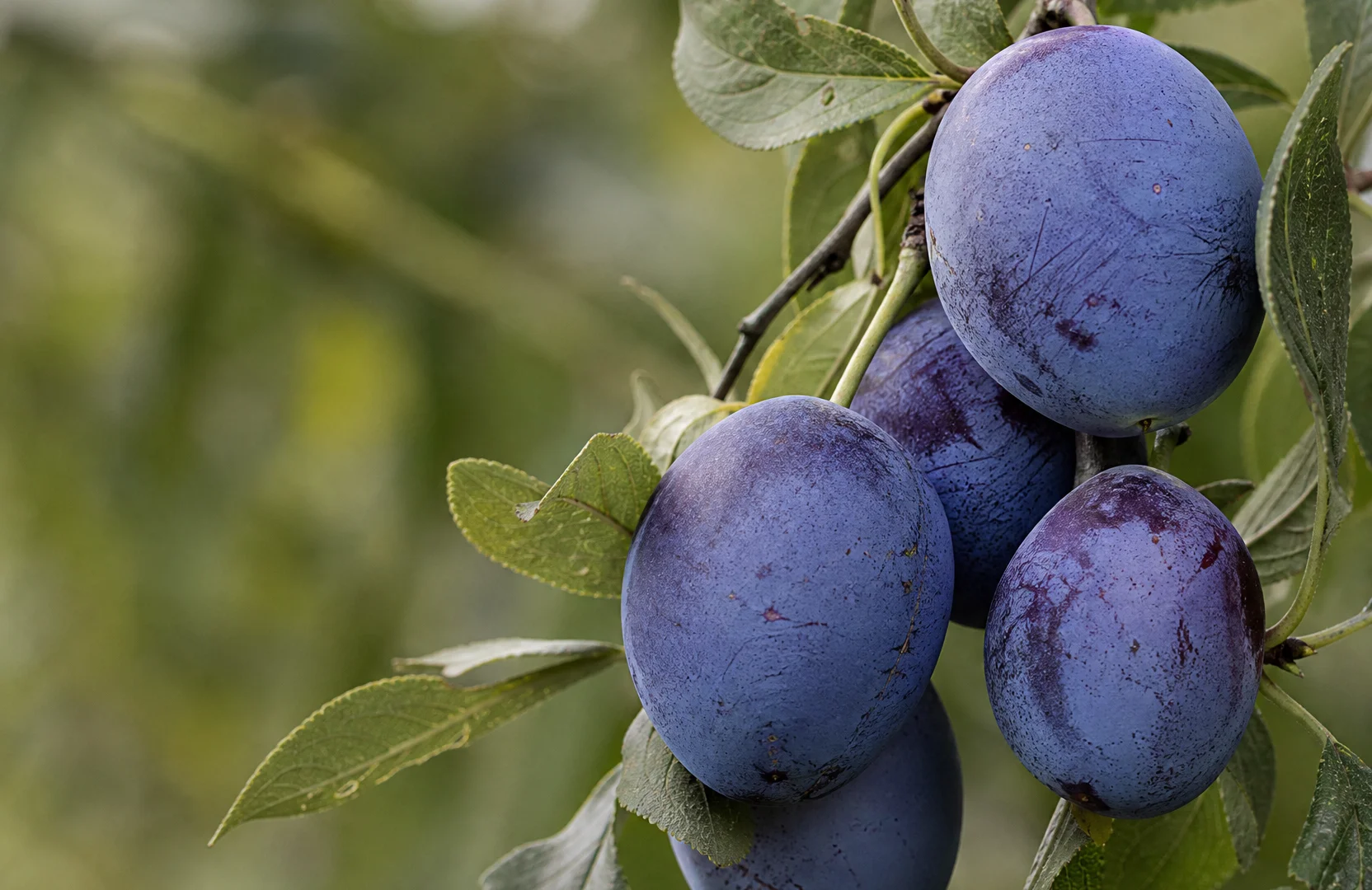
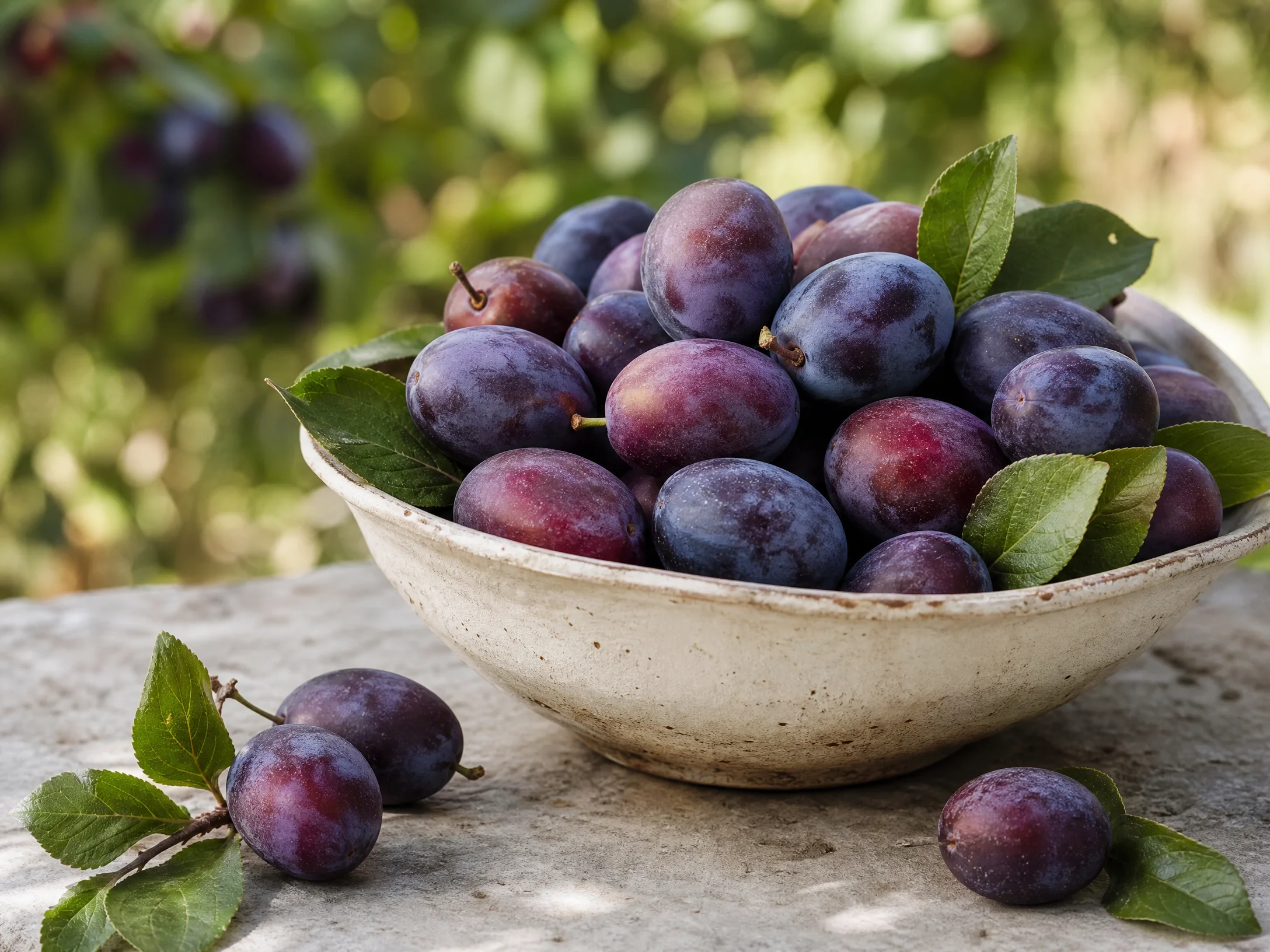
An orchard in late summer has a way of holding on to the sun. Among the leaves, plums hang like small lanterns: blue-black, ruby-red or warm gold, often dusted with their soft silvery bloom. Pick one at its ripest and there is a lovely little surprise at the centre — firm flesh giving way to a single stone. It is a modest fruit, but it has travelled a very long way to reach our autumn tables.
The European plum, Prunus domestica, belongs to the rose family, Rosaceae, alongside cherries, apricots and peaches. It is a deciduous tree, waking early in spring with white blossom that is valuable to bees and other pollinators. The fruit follows in summer and early autumn, just as gardens and hedgerows begin to turn towards the colder months. In the UK, familiar varieties such as Victoria can be eaten fresh, baked into a pudding, or cooked down into a richly coloured jam.
The Family Story
Botanically, the plum has an especially intriguing family story. Prunus domestica is thought to be a stable hybrid descended from the cherry plum, Prunus cerasifera, and blackthorn, Prunus spinosa — the plant that gives us sloes.
Its native range reaches from Transcaucasus to northern Iran, but the plum has travelled widely and is now a much-loved orchard fruit across temperate parts of the world. Perhaps that is why it feels so at home in a British kitchen: equally suited to a simple bowl on the table or a bubbling crumble on a September evening.
Plums in life
Plums have long earned their place in everyday life as well as in the fruit bowl. Fresh plums are a source of fibre, while dried plums — more commonly known as prunes — have traditionally been kept in the store cupboard and eaten to support regular digestion.
Their sweet-tart flavour also makes them wonderfully versatile. They bring depth to chutneys, pair beautifully with pork and game, and lend a deep, jammy note to cakes, tarts and preserves.
Plums in Gin
The plum’s character is just as welcome in the world of spirits. Across central and eastern Europe, ripe plums have been fermented and distilled into traditional fruit spirits for generations. During fermentation, fruity aromatic compounds develop; in plum distillates, esters are particularly important to the final aroma. In a fruit-led spirit, plum brings a generous ripe-fruit roundness, while the skin and stone-fruit character keep the flavour bright rather than overly sweet.
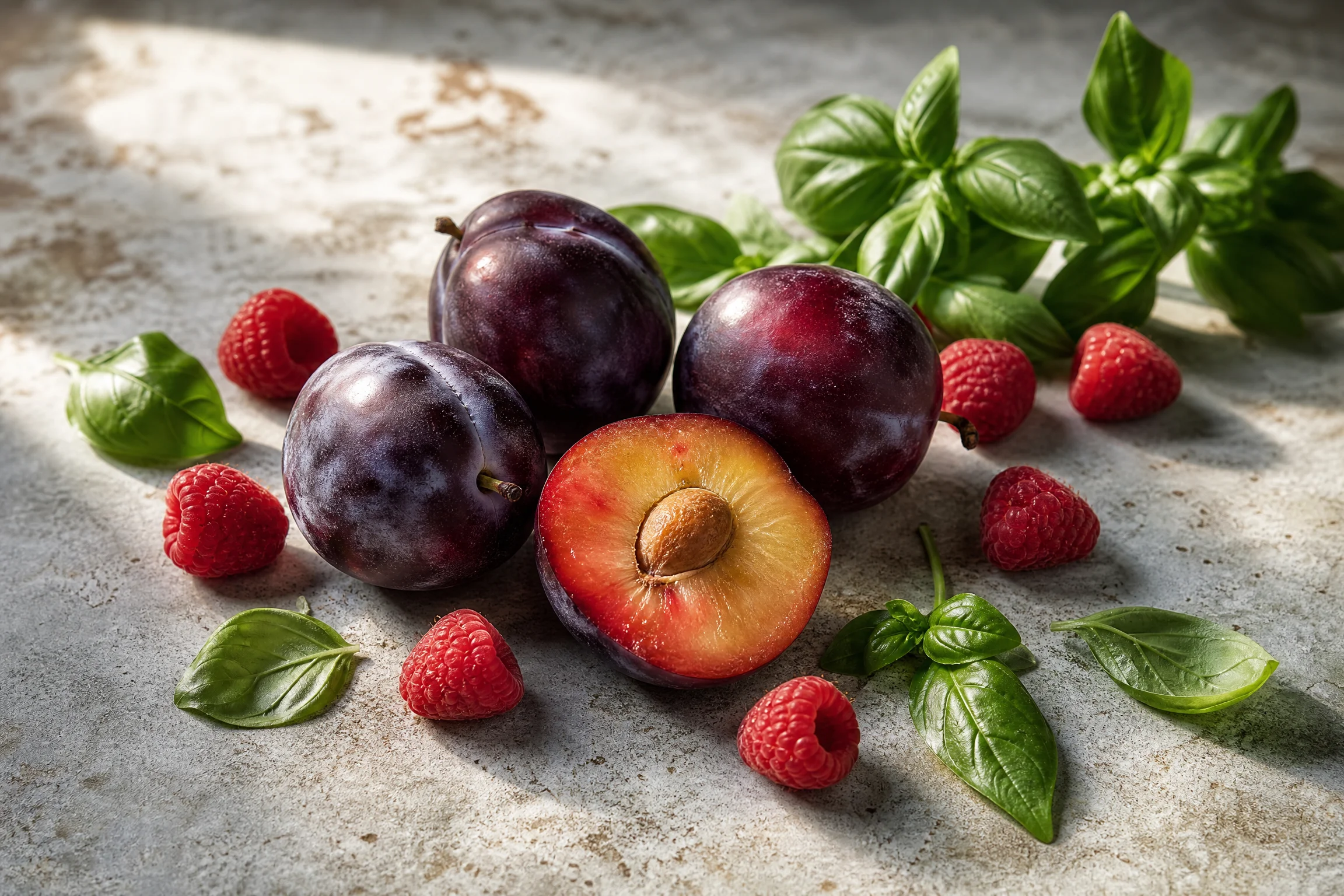
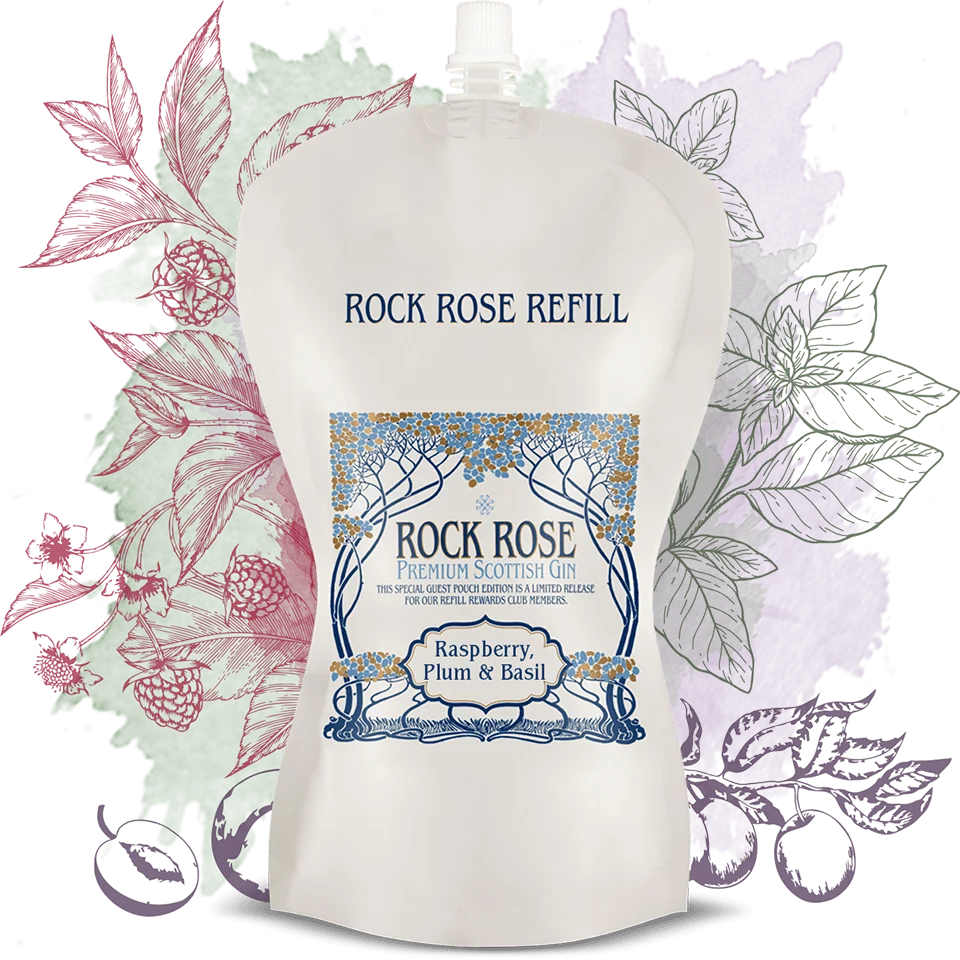
That balance is exactly why we have chosen plum for our Raspberry, Plum & Basil Guest Pouch. Raspberry brings a lively berry brightness, plum adds mellow, ripe stone-fruit depth, and basil contributes a fresh green lift. Together they make a flavour that feels like the last warm days of the season: sun-ripened fruit from the orchard, with a fragrant herb garden close by.
The Raspberry, Plum & Basil Guest Pouch will be available exclusively to Refill Rewards Club members in the September, October and November boxes.
It is a small celebration of autumn’s most generous fruit — sweet, tart, aromatic and, at its heart, full of character.
Existing members can switch to Raspberry, Plum & Basil until 31 July, or you can join our Refill Rewards Club to try this exclusive new edition.